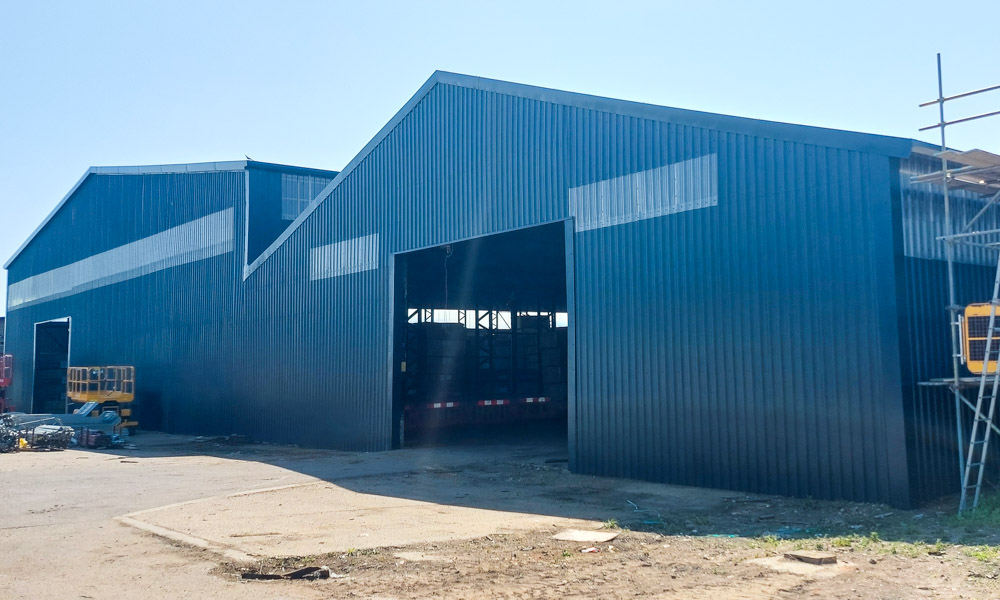
OVERCLADDING CASE STUDY
Getting Started: Understanding Your Requirements
When we’re first approached by a client, whether directly or through a referral, our priority is to make sure expectations are aligned from the outset. Every building and every business is different, so we take the time to understand what’s required, why the work is needed and how it fits around your operation. This early conversation helps us build a clear picture of the scope of the project and ensures there are no surprises further down the line.
Our first site visit is a key part of that process. It allows us to assess the condition of the building, the scale of the work involved and any access or operational challenges. We also carry out an initial feasibility assessment, looking at practical options, programme timescales and budget considerations, so recommendations are realistic and suited to how the site is actually used.
Preparing The Site and Documenting The Starting Point
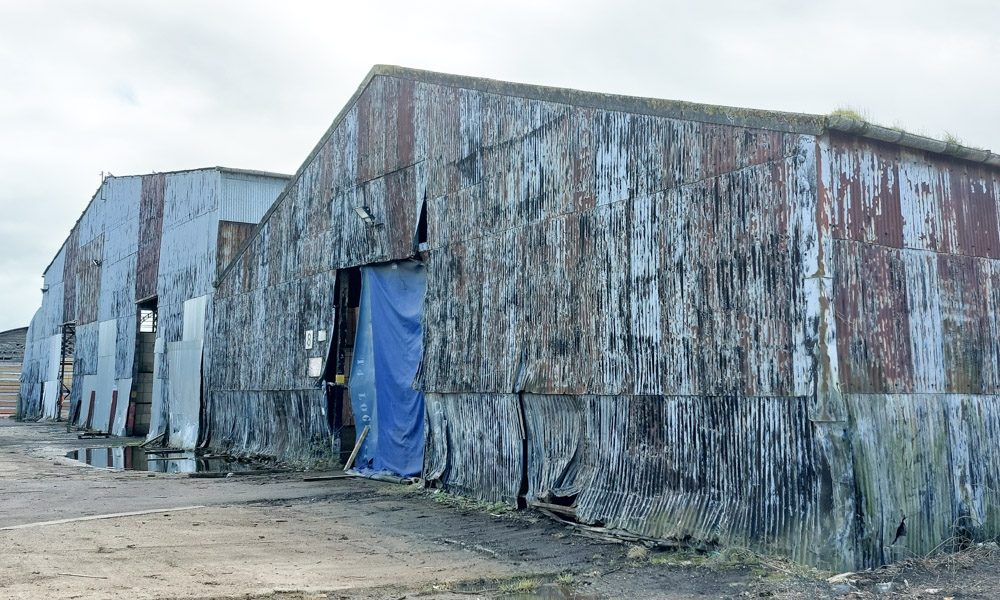
Before any work begins, the surrounding site and grounds are prepared to allow for safe working. This includes managing access, setting out working areas and ensuring the environment is ready for people and equipment to be on site. With the customer’s consent, we take “before” photographs at this stage, which accurately show the starting condition of the building and help document progress as the project moves forward.
These images aren’t just for record-keeping; they’re part of being transparent about the work being carried out and the improvements achieved.
Alongside the initial site preparation, we also take time to understand how the building is used day to day. This includes identifying any sensitive areas, stored stock, plant or access routes that need to remain operational while work is carried out. For projects involving refurbishment, repairs or overcladding, this early awareness helps us plan the works in a way that minimises disruption and allows businesses to continue operating as normally as possible.
Establishing a clear starting point is just as important as the work itself. By documenting the condition of the building before works begin, we’re able to provide a clear reference throughout the project and at completion. It supports open communication with the client, helps manage expectations and ensures that the improvements made are clear, measurable and understood from the outset.
Planning, logistics and getting the right resources in place
Behind the scenes, a significant amount of planning goes into the logistics of each project. This includes arranging the correct equipment, coordinating delivery to site and ensuring materials and stock are available when needed. Careful planning helps keep the project running smoothly and reduces unnecessary disruption to your day-to-day operations.
Safe Working Throughout The Project
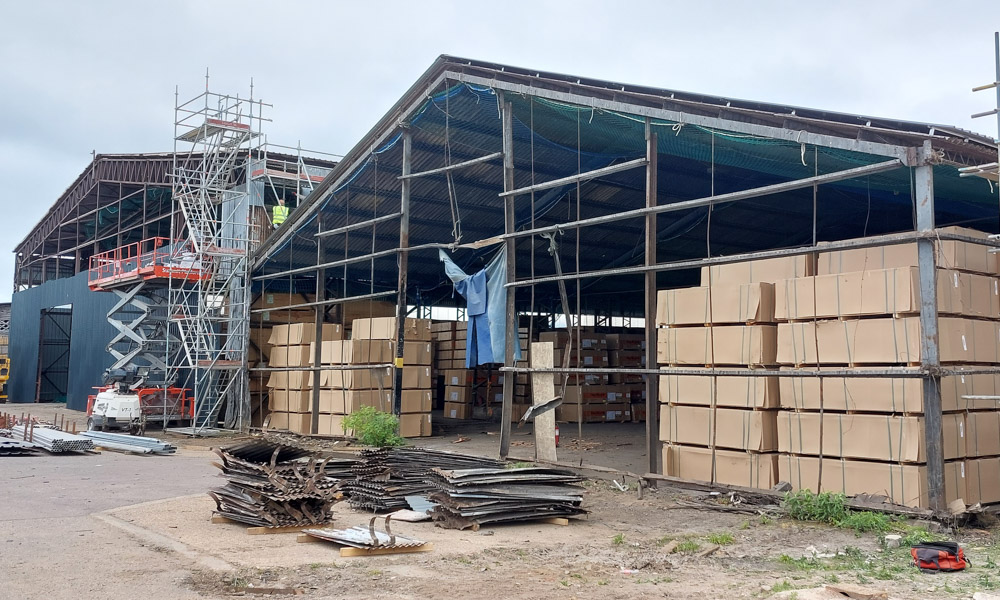
Once work is underway, it’s clear that safety is not an afterthought. Suitable scaffold structures are erected where required, and designated safe working areas are established for access equipment such as scissor lifts. All tools, equipment and materials are stored tidily and securely to minimise hazards, with waste and scrap materials kept well away from active working areas.
Additional measures are also put in place to protect both people and property. Temporary coverings and safety netting are used where needed, not only to safeguard those working below but also to provide protection from the elements and help shelter valuable stock or equipment for the duration of the works.
Detailed risk assessments are completed, and all relevant regulations and industry standards are adhered to. By making sure the right equipment, materials and resources are readily available on site, we maintain efficiency while keeping safety and compliance front and centre throughout the project.
Completion, Clear-Down and Final Checks
This is the bit where although it appears all the work is complete, it’s not just a case of grabbing a cuppa and standing back t admireones work – There is the issue of ensuring the site is cleared, that equipment is stored safely, waste materials and scrap safely removed and in accordance with standards, ensuring assessment of the site, the customers own equipment and stock is easily accounted for its condition. although taking a moent to asses your result in the durng and after process is key to ensuring the satisfactory completion of a project too.
Even when the main work appears complete, the job isn’t finished yet. Time is taken to properly clear the site, store or remove equipment safely and dispose of waste materials in line with regulations. A final assessment of the site is carried out to ensure everything has been left in good order.
We also make sure the client’s own equipment, assets and stock are accounted for and returned in the condition expected. Taking a moment to step back and review the results, both during and after the work, is an important part of achieving a satisfactory outcome for everyone involved.
The Finished Result
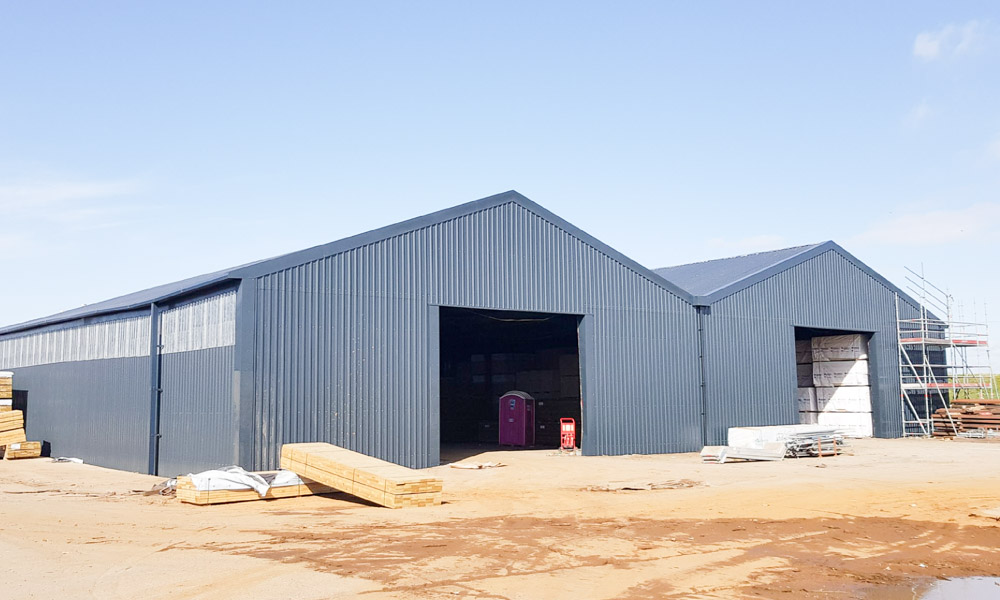
With the final clear-down complete, the transformation is clear. Looking back at where the project started, the end result is a pleasing outcome for all those involved, delivered through careful planning, safe working practices and attention to detail from start to finish.
Address
Bassett Business Units
Hurricane Way
North Weald
CM16 6AA
Phone
01992 879 621
07467 418 983